Trailing ants, carpenter ants, and colony treatment
Ant Control in Suffolk County, NY
Seeing a few ants on the counter usually means there's a full colony working nearby, either outside the foundation or, in the case of carpenter ants, inside damp wood in the structure itself. We trace the trail back to the colony and treat the source instead of just wiping out the ants you can see.
[ 01 ] Identification
Signs You Have Them
- Carpenter, pavement, odorous house ant
- Mar–Oct, carpenter ants peak May–Jul
- Yes — moisture sources, trails
- 45–75 min, bait + perimeter
- 1 hour after exterior application
- 21 days, colony verification
- A visible trail of ants moving in a consistent line toward a food or moisture source, particularly in kitchens and bathrooms
- Small piles of fine, sawdust-like material (frass) near window sills, baseboards, or wood trim, which is a sign of carpenter ants excavating wood
- Winged ants appearing indoors, which can be confused with termite swarmers but have a pinched waist and uneven wing lengths
- Rustling sounds inside a wall void, particularly at night, which can indicate an active carpenter ant colony
- Ants concentrated repeatedly around a specific entry point, such as a window frame, door threshold, or utility penetration
- Ant activity that increases noticeably after rain, as outdoor colonies move to drier ground, sometimes right into a house
[ 02 ] Our Approach
How We Treat Ants
Inspect
We trace visible ant trails back toward their source, checking both outdoor nesting areas — under mulch, along foundation edges, in woodpiles — and indoor conditions like moisture damage that would attract carpenter ants. Identifying the species is a key part of this step, since carpenter ants require a different approach than common trailing species like odorous house ants or pavement ants.
Plan
For trailing ants, the plan usually centers on locating and baiting the outdoor colony along with sealing the entry point being used. For carpenter ants, we also assess for moisture sources or wood damage feeding the colony, since carpenter ants nest in wood that's already softened by water intrusion, and that moisture issue needs to be addressed alongside treatment.
Treat
We apply targeted baiting that worker ants carry back to the colony, which is more effective long-term than surface spray since it reaches ants and larvae that never leave the nest. For carpenter ants specifically, we treat directly into wall voids or wood galleries where the colony is active, along with an exterior perimeter treatment to cut off the trail.
Prevent
We follow up to confirm the colony has been eliminated, since ant colonies can be large and baiting sometimes takes a week or two to fully work through the population. Ongoing exterior barrier treatment through a quarterly plan keeps new colonies from establishing a foothold at the foundation going forward.
[ 03 ] Suffolk County
Why It Happens Here
Suffolk County's wooded lots and older housing stock create ideal conditions for carpenter ants specifically, since they need damp, softened wood to nest in, and older homes often have exactly that around leaky roof flashing, window sills, or areas where gutters have been overflowing for a while. Carpenter ant activity found inside a wall isn't just an ant problem — it's usually a signal of a moisture issue that's been going on for some time and is worth addressing directly, not just treating the ants and ignoring the cause.
Trailing ants like odorous house ants and pavement ants are extremely common across the county's yards and driveways, especially in properties with mulch beds, stone walkways, or landscaping timbers close to the foundation, all of which make great nesting material. After a heavy rain, which is frequent given the coastal climate here, these outdoor colonies often move toward higher, drier ground, and a house foundation is often the closest dry option nearby, which is why ant calls spike noticeably after wet weather.
[ 04 ] Before We Arrive
How To Prepare
Nothing complicated. These few things let the technician spend the visit treating instead of moving furniture.
- Clear access to basements, crawlspaces, utility rooms and the exterior foundation line.
- Put pets in a separate room or outside for the duration of the visit.
- Have someone available who can point out where the activity has been seen.
- Avoid spraying visible ant trails with store-bought products before your appointment, since disrupting the trail makes it harder to trace back to the colony.
- Point out any known moisture issues, past water damage, or roof leaks, especially if carpenter ants are suspected.
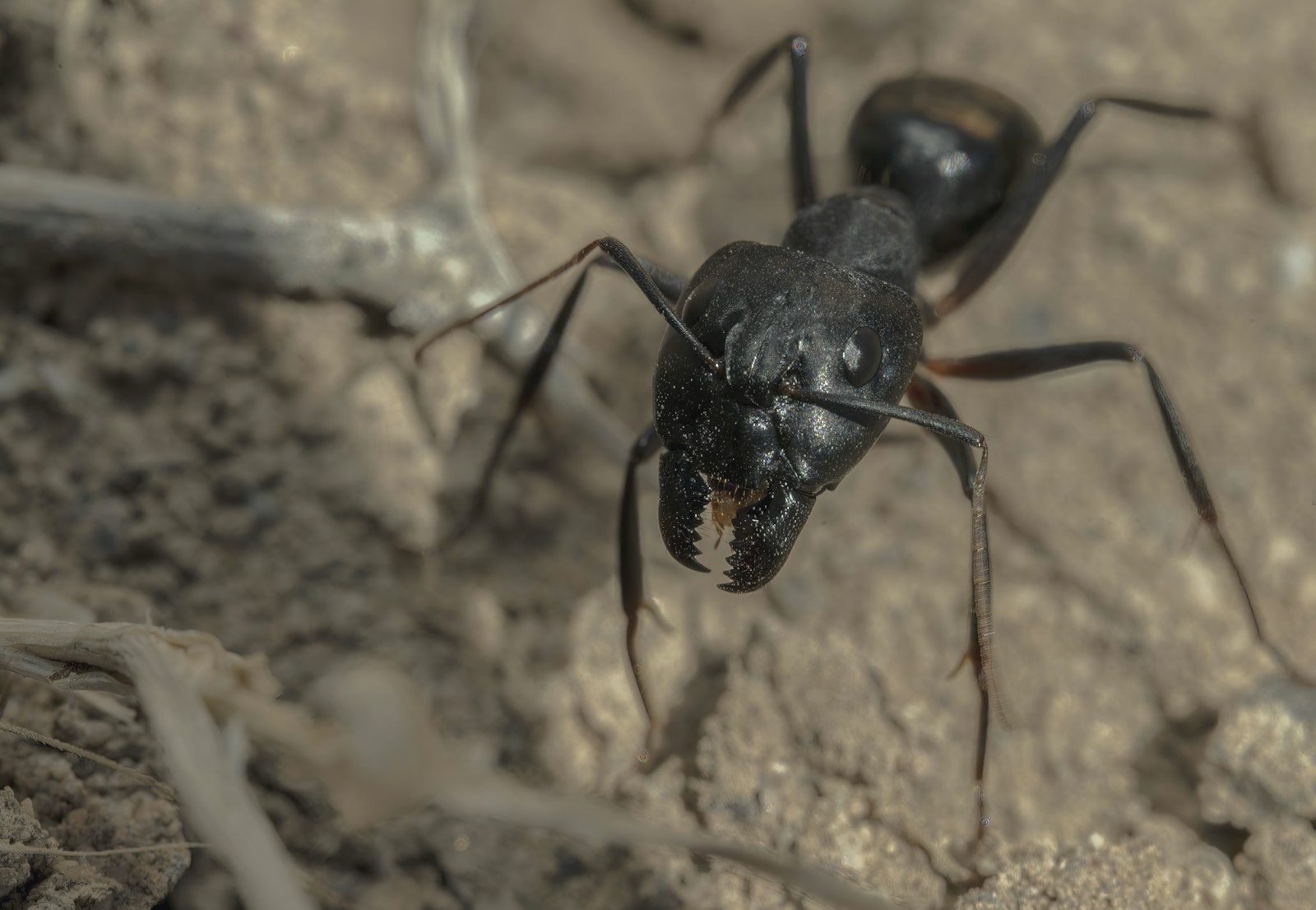
Carpenter ants are larger, typically black or black-and-red, and you'll often find small piles of sawdust-like frass near where they're excavating wood, along with a rustling sound inside walls at night in bigger infestations. Smaller trailing ants like odorous house ants or pavement ants are usually foraging for food rather than nesting in your structure. If you're not sure, a technician can identify the species quickly during inspection.
Free Estimate
Get Ants Handled.
Free estimate, no obligation. A technician is dispatched within 24–48 hours, and same-day service is available for emergencies.
631.450.4455- 24–48 HRS
- SAME DAY