Inspection, treatment, and ongoing protection
Termite Control in Suffolk County, NY
Termites cause damage slowly and quietly, often for years before anyone notices, which is why the inspection matters as much as the treatment. We look for the actual evidence — mud tubes, damaged wood, swarmer activity — rather than just assuming and treating blind.
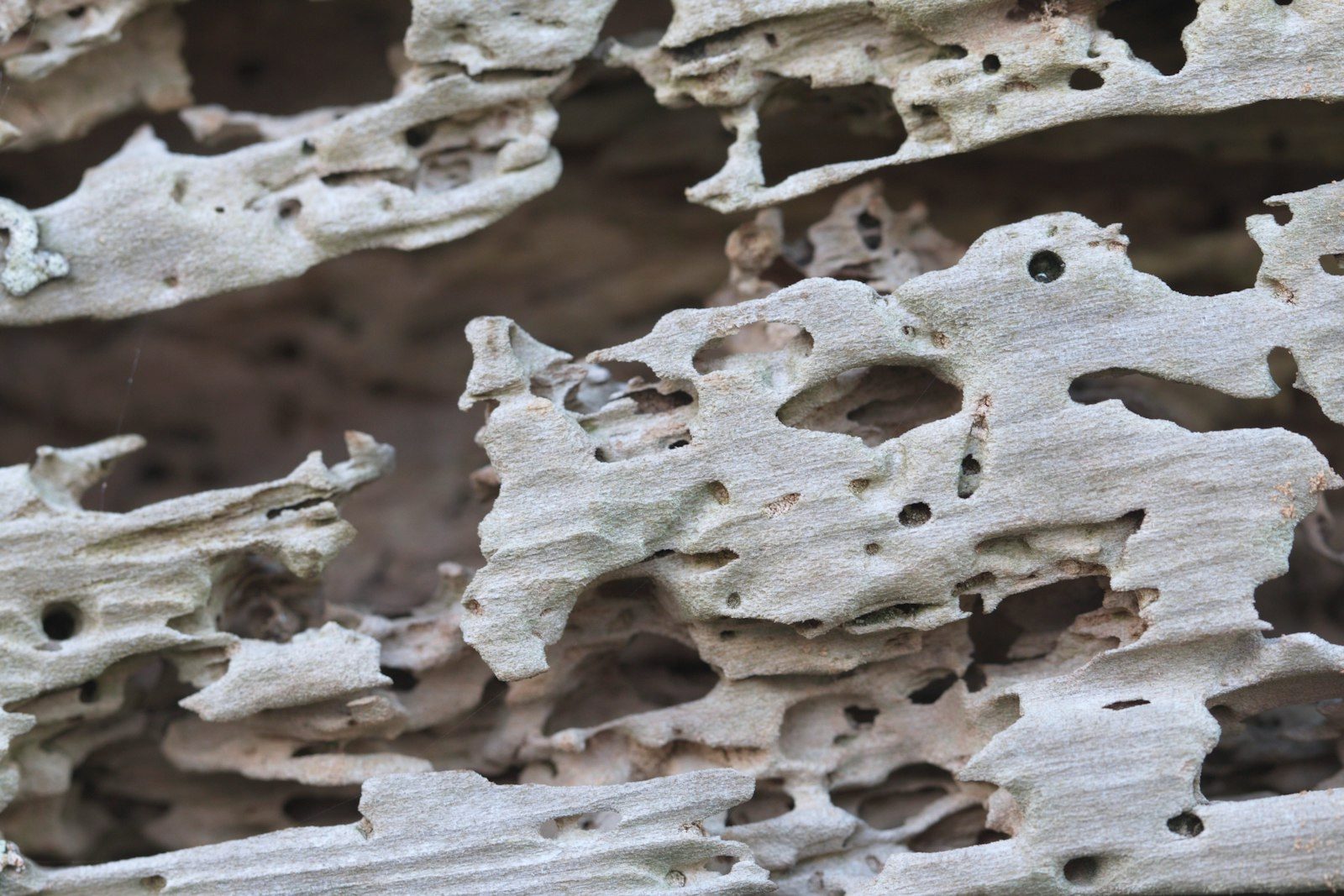
[ 01 ] Identification
Signs You Have Them
- Eastern subterranean termite
- Swarms Mar–May, feeding year-round
- Yes — WDI inspection, sill + slab
- 4–6 hours, trenching / baiting
- Annual renewable, re-inspection included
- 90 days, then annual
- Pencil-width mud tubes running up foundation walls, piers, or crawlspace supports, which termites build to travel between soil and wood while staying protected from open air
- Wood trim, sill plates, or structural framing that sounds hollow or papery when tapped, or that crumbles unexpectedly under light pressure
- Piles of discarded, translucent wings near windowsills, foundation vents, or light fixtures, left behind after a swarm
- Swarms of winged termites emerging indoors or around the foundation, typically in spring on a warm day after rain
- Small pinholes or blistering in painted wood surfaces, which can indicate termites feeding just beneath the surface
- Sagging floors, sticking doors, or visible wood damage near ground-contact framing, decks, or porch supports
[ 02 ] Our Approach
How We Treat Termites
Inspect
We inspect the full foundation perimeter, crawlspace, and any wood-to-soil contact points — deck posts, porch supports, exterior wood trim near grade — for mud tubes, damaged wood, and swarmer activity. This inspection is the most important step, since it determines whether termites are actively present, how extensive the activity is, and where the colony is likely accessing the structure.
Plan
Based on confirmed activity and the layout of the foundation, we map out a treatment zone around the structure's perimeter and any interior slab penetrations where termites could be traveling. We'll also identify any wood-to-soil contact or moisture issues on the property that are making the structure more attractive to termites in the first place.
Treat
We apply a liquid termiticide treatment around the foundation perimeter and at key access points, creating a treated zone termites can't cross undetected, and we treat directly into active mud tubes and damaged wood where accessible. This targets the termites actually feeding on and traveling through your structure, not just the ones visible on the surface.
Prevent
After initial treatment, we set up ongoing monitoring to confirm the colony has been eliminated and to catch any new activity early, since termite colonies can be extensive and a single treatment doesn't always reach every travel path on the first pass. Annual termite inspections after that catch new swarms or activity long before it becomes structural damage.
[ 03 ] Suffolk County
Why It Happens Here
Suffolk County's older housing stock is a real factor in termite risk — homes built decades ago often have wood framing closer to grade, older foundations with more cracks, and less consistent termite pretreatment than newer construction. Wooded lots throughout the county also mean a steady natural termite population living in fallen trees, stumps, and mulch beds right up against the property, which puts pressure on any structure nearby with exposed or ground-contact wood. Coastal moisture adds to the problem too, since damp soil and humid crawlspaces are exactly the conditions subterranean termites need to thrive.
Spring swarms are the most common way homeowners here first discover a termite problem, usually on a warm, humid afternoon after a rain when winged reproductives emerge to start new colonies. Seeing a swarm indoors is a strong signal that an active colony already exists somewhere in or very near the structure, since swarmers don't travel far from their origin point. We treat every swarm report as worth a full inspection, even if the homeowner doesn't see any other obvious damage yet.
[ 04 ] Before We Arrive
How To Prepare
Nothing complicated. These few things let the technician spend the visit treating instead of moving furniture.
- Clear access to basements, crawlspaces, utility rooms and the exterior foundation line.
- Put pets in a separate room or outside for the duration of the visit.
- Have someone available who can point out where the activity has been seen.
- Keep firewood, mulch, and wood debris away from direct contact with the foundation, ideally with a gap of several inches.
- Provide access to crawlspace or basement areas ahead of the inspection so we can check wood framing and sill plates directly.
Termite damage tends to follow the grain of the wood with mud or soil packed inside the galleries, while carpenter ant damage is cleaner, smoother, and free of debris since ants excavate rather than eat the wood. Discarded wings are another clue — termite wings are equal in length and shed in a pile near a single spot, while carpenter ant wings are two different sizes. If you're not sure, an inspection is the fastest way to get a definitive answer.
Free Estimate
Get Termites Handled.
Free estimate, no obligation. A technician is dispatched within 24–48 hours, and same-day service is available for emergencies.
631.450.4455- 24–48 HRS
- SAME DAY