Indoor flea treatment for homes with pets
Flea Control in Suffolk County, NY
A flea problem indoors is almost always bigger than the fleas you can actually see, since most of the population exists as eggs and larvae hidden deep in carpet fibers and furniture. We treat the full life cycle, not just the adult fleas jumping around at the moment, so the problem doesn't bounce back a few weeks later.
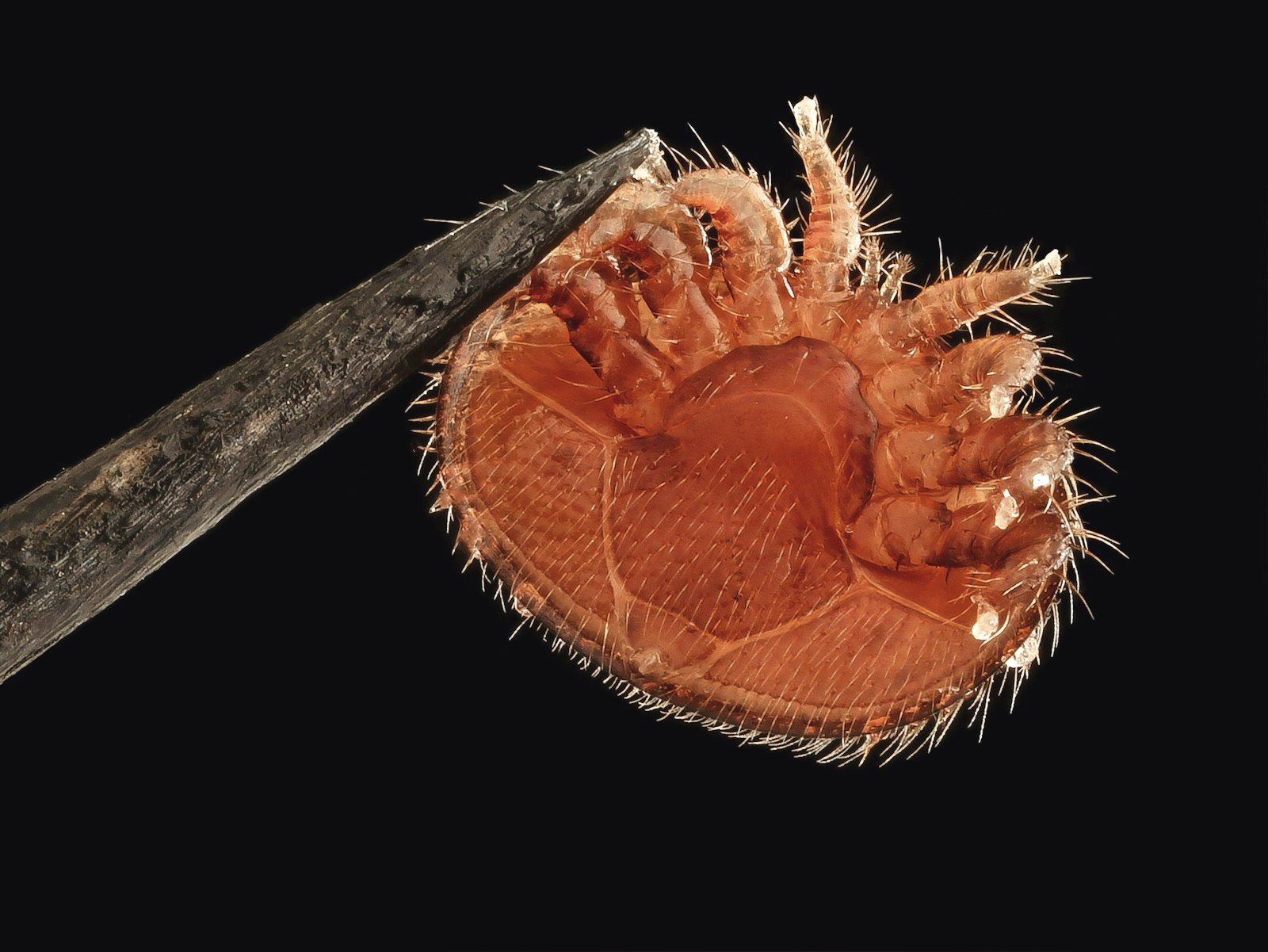
[ 01 ] Identification
Signs You Have Them
- Cat flea, blacklegged (deer) tick
- Apr–Nov, indoor fleas year-round
- Yes — pet zones, tree line, leaf litter
- Vacuum + launder pet bedding
- 60 min interior, 45 min perimeter
- 14 days, life-cycle break
- Pets scratching, biting at their skin, or licking excessively more than their normal grooming behavior
- Small dark specks resembling ground pepper in pet bedding, carpet, or where a pet frequently rests — this is flea dirt (flea feces)
- Small, itchy red bites appearing on ankles and lower legs, since fleas can't fly and typically jump onto the lowest part of a person's body
- Tiny, fast-moving insects visible jumping through light-colored carpet fibers or pet bedding, especially when disturbed by walking through the area
- A pet suddenly avoiding a specific room or piece of furniture where flea activity is concentrated
- Flea activity appearing shortly after a new pet, secondhand furniture, or an outdoor pet returning from a wooded or grassy area
[ 02 ] Our Approach
How We Treat Fleas
Inspect
We identify which rooms and furniture have the heaviest flea activity, focusing on areas pets sleep, rest, or spend the most time, since that's where the bulk of the eggs and larvae are concentrated. We also check for any outdoor harborage near the home, like a shaded spot under a porch, since fleas can maintain an outdoor population that keeps reinfesting an indoor treatment.
Plan
The plan covers every room with confirmed activity plus adjoining areas pets travel through regularly, since flea eggs fall off pets as they move through the house rather than staying confined to one spot. We'll also talk through pet treatment timing with you, since treating the house alone without addressing the pet just resets the infestation.
Treat
We apply a combination of an adult-targeted insecticide and an insect growth regulator that stops flea eggs and larvae from developing into biting adults, covering carpets, baseboards, furniture, and pet resting areas. This life-cycle approach is the key difference from a basic spray, since it addresses the 90% or more of an infestation that isn't visible as adult fleas at any given moment.
Prevent
We recommend vacuuming thoroughly in the days following treatment to help physically remove eggs and stimulate any remaining pupae to hatch into the treated environment, where they'll then be eliminated. Following up with your vet's ongoing flea prevention for your pet keeps a new infestation from starting again after the house has been treated.
[ 03 ] Suffolk County
Why It Happens Here
Fleas in Suffolk County tend to come from one of two directions: an outdoor population picked up by a pet wandering through tall grass, wooded lots, or brushy yard edges common throughout the county, or a secondhand piece of furniture or rug brought into the house. The county's mix of wooded properties and yards backing up to undeveloped land means pets have plenty of exposure to outdoor flea populations, especially in the warmer months when flea activity peaks, making indoor reinfestation a recurring issue for households with dogs or outdoor cats.
Because fleas can survive outdoors through mild stretches of a Long Island winter in sheltered spots, and thrive during the humid coastal summer, the exposure window here runs longer than in drier inland climates. Waterfront and wooded properties in particular see pets picking up fleas even into fall, which is part of why year-round flea prevention on the pet itself, not just seasonal indoor treatment, makes a real difference in how often the problem comes back.
[ 04 ] Before We Arrive
How To Prepare
Nothing complicated. These few things let the technician spend the visit treating instead of moving furniture.
- Clear access to basements, crawlspaces, utility rooms and the exterior foundation line.
- Put pets in a separate room or outside for the duration of the visit.
- Have someone available who can point out where the activity has been seen.
- Vacuum all carpets, rugs, and furniture thoroughly before treatment, and dispose of the vacuum bag or empty the canister outside afterward.
- Wash pet bedding on the hottest safe setting and keep pets current on a vet-recommended flea preventive alongside the indoor treatment.
We treat the home — carpets, furniture, and pet resting areas — but flea treatment for the animal itself needs to come from your veterinarian, since pet-specific flea products require proper species and weight dosing that we're not licensed to provide. Treating the house without addressing the pet usually means the infestation starts right back up, so we always recommend doing both together.
Free Estimate
Get Fleas Handled.
Free estimate, no obligation. A technician is dispatched within 24–48 hours, and same-day service is available for emergencies.
631.450.4455- 24–48 HRS
- SAME DAY