Coastal Moisture and Carpenter Ants: The Suffolk County Connection
Carpenter ants don't eat wood, they nest in it, and Suffolk County's damp, coastal-influenced homes give them exactly the conditions they need.
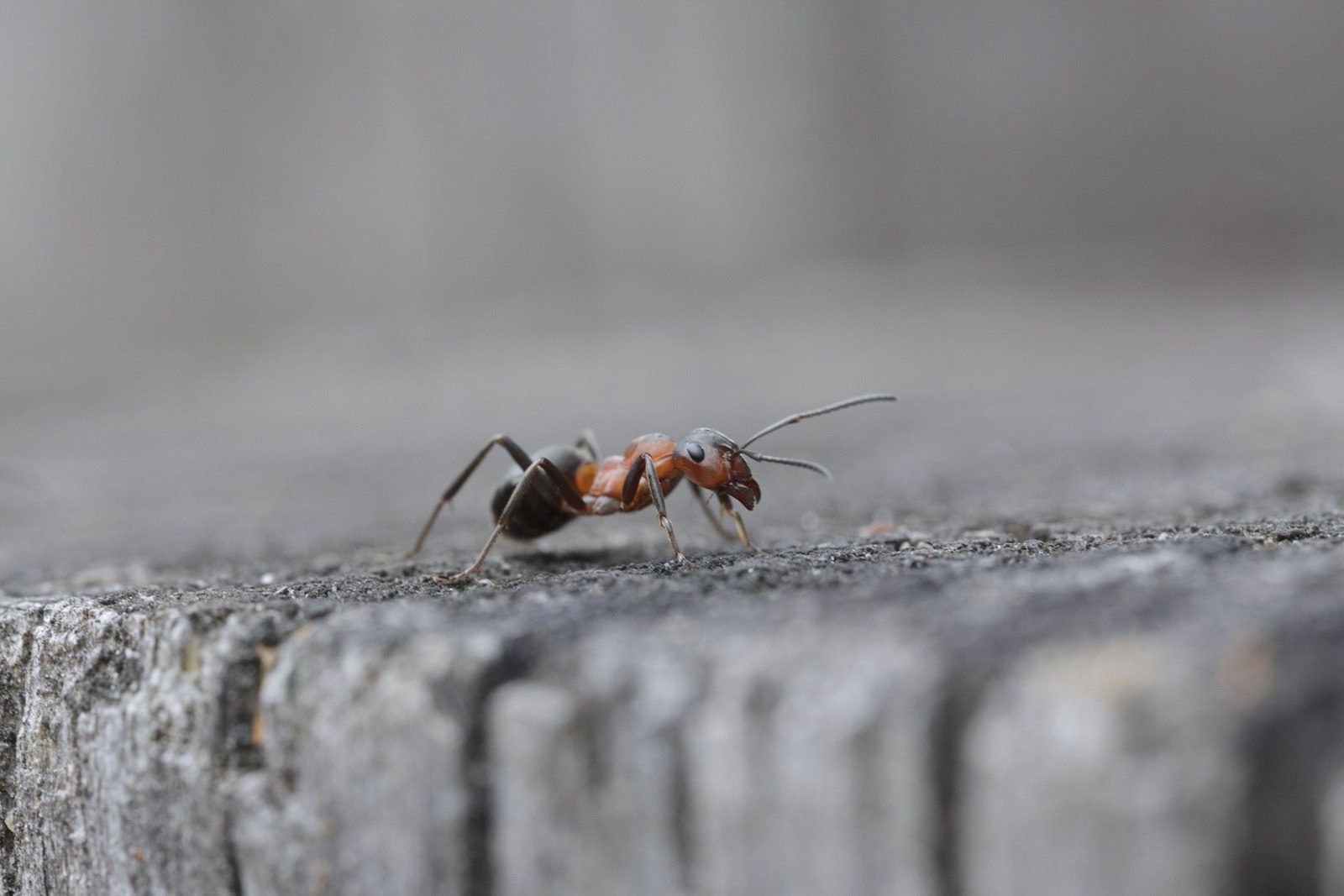
Carpenter ants get confused with termites constantly, and the confusion causes real problems, because the two require different treatment approaches entirely. The one thing they have in common is a dependence on moisture, and that's exactly why Suffolk County, with its high water table, coastal humidity, and older housing stock full of small chronic leaks, sees a steady and often underestimated carpenter ant problem year after year.
Carpenter Ants Don't Eat Wood, They Excavate It
This is the single most important distinction. Termites consume cellulose as a food source. Carpenter ants tunnel through wood to create smooth, clean galleries for nesting, but they get their actual food elsewhere, other insects, honeydew from aphids, sugary substances, and protein sources around the house. Because they're not eating the wood, they specifically seek out wood that's already softened by moisture and decay, since it's dramatically easier to excavate than sound, dry lumber.
This is why nearly every carpenter ant nest we find indoors traces back to a moisture source: a slow roof leak around a chimney flashing, a bathroom exhaust fan venting into an attic instead of outside, a leaking gutter that's been soaking a fascia board for a season or two, or a deck ledger board that was never properly flashed against the house.
Why Suffolk County's Geography Makes This Worse
Long Island sits surrounded by water on three sides, and that proximity keeps ambient humidity higher than inland regions for much of the growing season, particularly from late spring through early fall. Combine that with sandy soil in some areas that drains well but still holds a high water table close to the surface, and you get crawlspaces and sill plates that stay damp longer after rain events than homes further inland. Homes closer to the Sound or the bays deal with this even more directly, with salt air accelerating the failure of exterior caulking, flashing, and paint that would otherwise keep wood dry.
We've traced carpenter ant activity in a kitchen ceiling back to a bathroom fan on the floor above venting straight into the attic insulation instead of outside. The moisture had been building for years before anyone saw a single ant.
Where To Look for Nests
- Window and door frames on exterior walls, especially any that have shown past water staining
- Deck ledger boards and any wood-to-house connection point that lacks proper flashing
- Bathroom exhaust vents and any attic area beneath or near them
- Areas around chimneys where flashing has aged or separated
- Fascia boards and soffits beneath gutters that overflow or have been leaking at the seams
- Hollow porch columns and stair stringers, especially on older homes
Signs of an Active Nest
Unlike termites, carpenter ants push debris out of their galleries rather than leaving it sealed inside. This debris, sometimes called frass but distinct from termite frass, is a mix of coarse wood shavings, insect body parts, and other nest material, and it looks noticeably different from sawdust, more like a rough pile of shredded wood fragments than fine powder. Finding a small pile of this material below a windowsill, baseboard, or piece of trim is one of the clearest signs of an active nest nearby.
Large ants, up to five-eighths of an inch for a major worker, seen indoors during the day, particularly in late winter or early spring when a colony's foraging workers become active again, is another strong indicator. A key detail: winged carpenter ants (reproductive swarmers) emerging indoors, especially in late winter or very early spring, almost always means the nest is inside the structure itself, since that's an unusual time for a healthy outdoor colony to swarm. Outdoor swarms tend to happen later, typically late spring into early summer.
Satellite Colonies Complicate Treatment
A single carpenter ant colony can establish satellite nests some distance from the main parent colony, sometimes indoors even when the parent colony is outside in a tree stump, woodpile, or landscaping timber. This is why treating only the ants you see indoors rarely solves the problem long-term. An effective treatment plan has to identify whether you're dealing with an indoor satellite, an indoor parent colony, or ants foraging in from an outdoor nest, because each scenario calls for a different combination of baiting, direct treatment, and exterior perimeter work.
Moisture correction has to happen alongside any chemical treatment, or the conditions that drew the colony in will just attract a new one later. Fixing the leaking fan vent, resealing flashing, or correcting grading that pools water against a foundation isn't optional extra advice, it's part of actually solving a carpenter ant problem rather than temporarily suppressing it.
NOFO Pest Control inspects for both the ant activity and the underlying moisture conditions driving it, across all of Suffolk County, with free estimates and fast scheduling for homeowners who've already spotted frass or large ants indoors.