Termite Damage in Older Long Island Homes: What To Look For Before It's Structural
Older Long Island homes have wood-to-ground contact and moisture issues that termites exploit for years before anyone notices. Here's what to check.
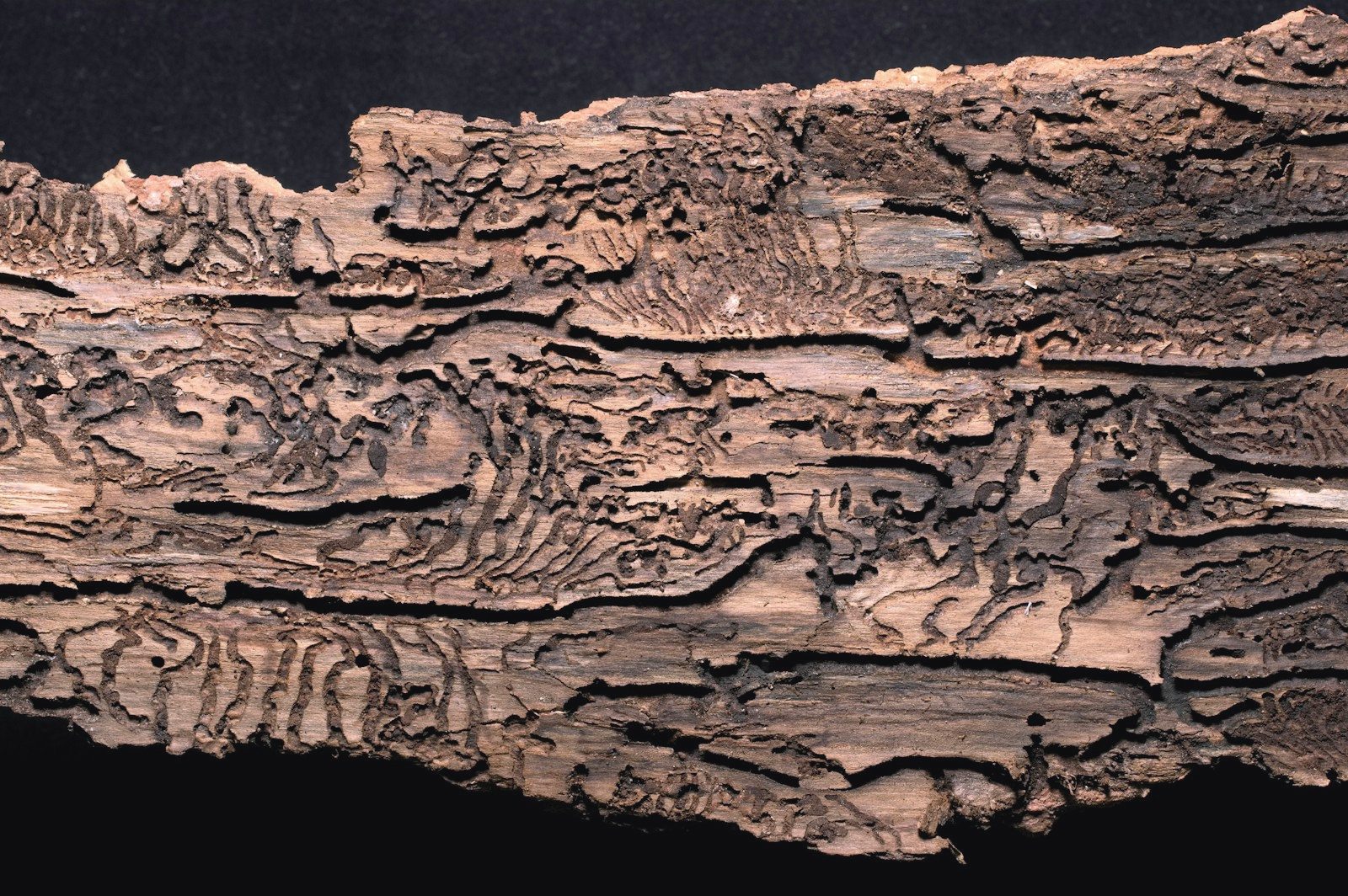
By the time most homeowners notice termite damage, the colony has usually been active for two to four years already. Eastern subterranean termites, the species responsible for nearly all termite activity we see across Suffolk County, work slowly and almost entirely out of sight, inside wall cavities, under subfloors, and behind the finished surfaces most people never inspect. On older Long Island housing stock, particularly homes built before 1980 with less consistent foundation waterproofing and wood-to-soil clearances that don't meet current code, the risk window is longer and the damage tends to be more advanced by the time it's found.
Why Older Homes Are More Exposed
Current building code requires a minimum clearance between untreated wood framing and soil, generally around six to eight inches, specifically to reduce termite access. A lot of older Long Island construction, especially additions, sunrooms, and porches built as DIY or lower-budget projects over the decades, doesn't meet that standard. We regularly find deck ledger boards, porch posts, and sill plates sitting directly on or just above grade, which gives a termite colony direct, hidden access to structural wood without ever having to build a visible mud tube across an exposed foundation wall.
Cellulose debris left behind from past renovations, buried wood scraps, old form boards from the original foundation pour, and firewood stacked against an exterior wall all act as a bridge that draws a colony from the soil right up against the house.
The Signs, In Order of How Often We Actually Find Them
Mud Tubes
These are the most recognizable sign and the one most homeowners have heard of: pencil-width tunnels made of soil, wood particles, and termite saliva running vertically along a foundation wall, support pier, or crawlspace joist. They protect the termites from open air and predators as they travel between the soil and the wood they're feeding on. An active tube will be intact and slightly moist inside if you break off a small piece; an abandoned tube will be dry and crumbly.
Wood That Sounds Wrong
Tap along exposed framing, sill plates, or joists with the handle of a screwdriver. Healthy wood gives a solid knock. Wood that's been hollowed out from the inside gives a dull, papery, almost hollow-drum sound. Termites eat wood from the inside out along the grain, so the exterior surface can look completely intact while the structural integrity underneath is gone.
Frass
This applies more to drywood termites, which are less common on Long Island but do turn up occasionally, especially in imported furniture or after storm debris. Frass looks like small mounds of what appears to be sawdust or coffee grounds, pushed out of tiny kick-out holes in wood as termites clean out their galleries.
Soft or Spongy Sill Plates
Press a screwdriver or awl into the sill plate where it meets the foundation, particularly in areas that have had past moisture exposure. A sill plate softened by termite damage will give way easily, sometimes crumbling, and often the surface paint or wood will show blistering or a slightly darkened, water-damaged appearance even when the actual moisture source has been addressed years earlier.
Discarded Wings
Each spring, mature colonies release winged reproductive termites, called alates, in a swarming event meant to start new colonies. If you find small piles of translucent, uniformly sized wings near window sills, light fixtures, or foundation vents, generally in April or May on Long Island, it's one of the clearest signs of an established, mature colony nearby, even if you never see the swarmers themselves.
- Mud tubes on foundation walls, piers, or sill plates
- Wood that sounds hollow or papery when tapped
- Frass resembling sawdust or coffee grounds near wood surfaces
- Soft, spongy, or easily punctured sill plates and door/window frames
- Discarded swarmer wings near windows or foundation vents in spring
- Blistering or bubbling paint on wood trim with no clear moisture source
On one 1960s split-level in Islip, the only visible sign was a slightly bouncy spot in the dining room floor. By the time we opened the subfloor, three joists had lost most of their load-bearing capacity. The exterior wall showed nothing at all.
Where To Actually Check
Basements and crawlspaces are the obvious starting point, but don't stop there. Check exterior wood-to-soil contact points: deck posts, porch steps, fence posts near the house, and any exterior wood trim close to grade. Inside, check around window and door frames on exterior walls, especially on the ground floor, and pay attention to any area that's had a past moisture problem, a roof leak, a plumbing leak, or poor grading that channels rainwater against the foundation, since moisture-softened wood is far more attractive to a termite colony than dry wood.
Why This Matters More on Long Island Specifically
Suffolk County's soil moisture, sandy in some areas and heavier clay-influenced in others, combined with a high water table in many low-lying neighborhoods, keeps subterranean termite colonies active and well-hydrated for most of the year. Colonies don't need to travel far below the frost line to survive our winters, which means activity can persist even during colder months in a way that surprises homeowners who assume termites are strictly a summer concern.
If you're buying an older home on Long Island, or you've simply never had an inspection done on a house more than a few decades old, a termite inspection is inexpensive relative to the cost of structural repair after the fact. NOFO Pest Control provides free estimates and thorough termite inspections across Suffolk County, with fast response for homeowners who've already spotted mud tubes or soft wood and want an assessment before it goes further.